Yes—existing skylights, chimneys, and roof vents are among the most common sources of roof leaks, even when the main roof field (shingles/tiles) still looks fine. Leaks typically happen because flashing fails, seals dry out, fasteners back out, or water is misdirected at these penetrations.
Murrieta Roofing experts recommend inspecting and upgrading flashing, underlayment integration, and seal details during roof repairs or replacements—because fixing the “hole in the roof” areas is often more important than replacing a few shingles.
Why Roof Penetrations Leak More Than the “Main Roof”
Any place where something sticks through your roof—skylight, chimney, plumbing vent, attic vent, furnace flue—creates a transition point. These transitions must manage:
- Water flow: Rain must move around the feature without being trapped.
- Movement: Roof systems expand and contract with heat. Penetrations move differently than roofing.
- Multiple materials: Metal flashing, sealants, roofing, underlayment, and wood decking all interact—and they age at different rates.
Murrieta Roofing experts recommend thinking of penetrations as “roof joints.” Joints fail first, especially after years of UV exposure and temperature swings common in Murrieta.
Skylights: Beautiful Light, High Leak Potential Without Proper Flashing
Skylights can be watertight for decades—if installed and integrated correctly. Leak issues usually come from the perimeter details, not the glass.Common skylight leak causes include:
- Improper or missing step flashing: Water finds gaps along the sides.
- Aging or poorly integrated curb flashing: Curb-mounted skylights rely on metal and membrane layers that can separate over time.
- Sealant-only “repairs”: Caulk is not a long-term waterproofing system; it cracks and shrinks.
- Incorrect slope or placement: If a skylight sits where water concentrates (valleys, dead spots), problems multiply.
- Clogged weep channels (some skylight types): Water can back up into the assembly.
What you might notice inside:
- Brown rings or bubbling paint near the skylight opening
- Damp drywall after wind-driven rain
- Drips that appear only during heavy storms
Murrieta Roofing experts recommend having skylights evaluated during any reroof—because it’s the best time to replace failing flashing kits, add ice-and-water style membranes (where appropriate), and ensure the underlayment is properly lapped.
Chimneys: Flashing, Crickets, and Masonry Cracks Create Sneaky Leaks
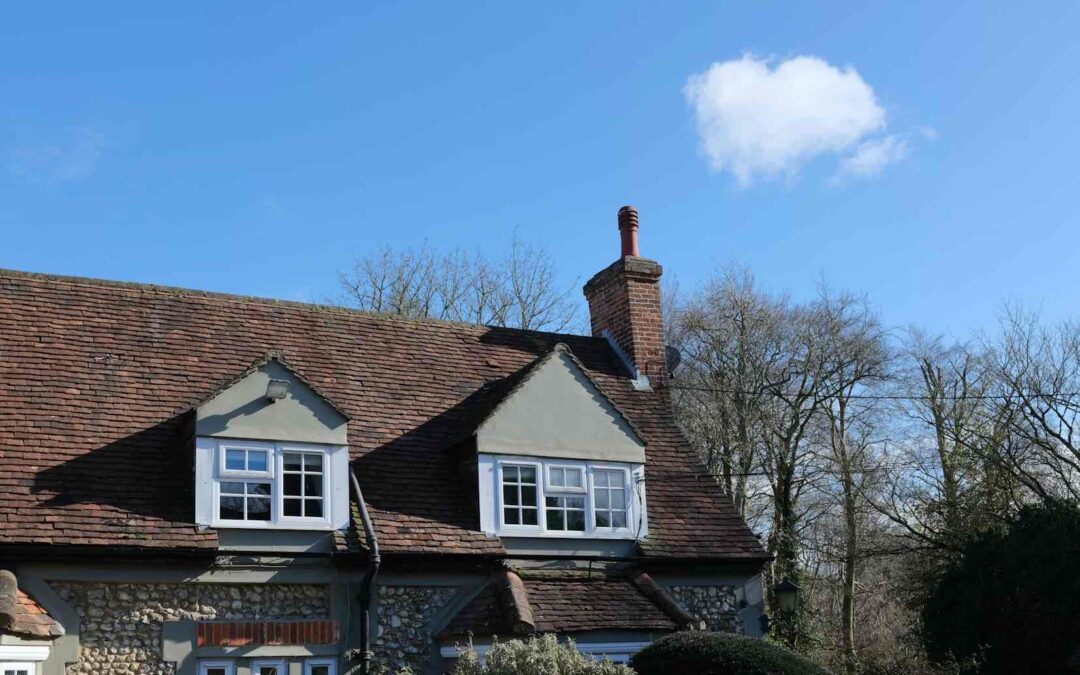
Chimneys are big, rigid structures that interrupt water flow. Even if the roof is new, a chimney can leak if the details weren’t rebuilt or if the masonry itself is compromised.Top chimney-related leak sources:
- Failed step flashing and counterflashing: Step flashing works with each shingle/tile course; counterflashing protects the top edge. If either is missing or incorrectly embedded, water gets behind it.
- No chimney cricket (backer) on wider chimneys: Water pools behind the chimney, especially during heavy rain, and can work under roofing.
- Cracked mortar or crown deterioration: Water enters the chimney masonry and shows up as “roof leaks” inside.
- Old sealant at metal joints: Metal expands/contracts; sealant fails.
Warning signs:
- Moisture staining near the chimney breast or along adjacent ceiling lines
- Musty odors after rain
- Efflorescence (white chalky deposits) on brick or stucco chimney surfaces
Murrieta Roofing experts recommend treating chimneys as a combined system—roofing + flashing + masonry—and addressing all three, not just the visible shingles around it.
Roof Vents (Plumbing, Attic, Exhaust): Small Parts, Big Consequences
Vents look simple, but they’re a frequent leak culprit because they rely on rubber boots, gaskets, and exposed fasteners.Typical vent leak causes:
- Cracked pipe boots (rubber neoprene dries out): UV exposure makes boots brittle and split.
- Loose or corroded nails/screws: Fasteners back out over time and allow water entry.
- Improper lap order: If flashing isn’t layered correctly with underlayment and roofing, water is directed underneath.
- Condensation vs. leak confusion: Sometimes moisture around a vent is attic condensation, not rain intrusion—diagnosis matters.
Common symptoms:
- Small, persistent stains near bathrooms or laundry areas
- Drips that appear after long rain (slow seepage)
- Wet insulation near a vent pipe in the attic
Murrieta Roofing experts recommend proactively replacing aging vent boots during roof service—these are relatively small components that can prevent expensive interior repairs.
Why Leaks Can Show Up Far From the Skylight/Chimney/Vent
One of the most frustrating parts of roof leaks is that the drip spot is not always the entry point. Water can:
- Travel along rafters and trusses
- Follow underlayment laps
- Run along electrical or HVAC penetrations
- Pool on top of drywall before showing a stain elsewhere
Murrieta Roofing experts recommend a professional roof-and-attic inspection when the source isn’t obvious—because “patching the stain area” often misses the real entry point.
When Should These Features Be Repaired vs. Replaced?
A practical rule: replace components when their service life is shorter than your roof’s remaining life.
- Skylights: If they’re old, fogging, or repeatedly leaking, replacement during reroofing is often cost-effective.
- Chimney flashing: Often best rebuilt (not patched) when reroofing, especially if counterflashing is incorrect.
- Vent boots: Usually inexpensive to replace and should be considered routine maintenance.
Murrieta Roofing experts recommend aligning skylight/vent/chimney upgrades with your reroof schedule so you don’t pay twice for labor and tear-up.
Homeowner Checklist: What to Look for After Rain (or During Spring Storms)
Given today’s early-spring timing, it’s smart to watch for issues after any heavier rain events.Check for:
- New ceiling stains (yellow/brown rings)
- Peeling paint near skylight wells or chimney areas
- Damp insulation in the attic around penetrations
- Rust on vent pipes or wet roof decking
- Debris buildup around chimneys, skylights, or behind roof features (can dam water)
Murrieta Roofing experts recommend documenting any changes with photos and dates—patterns help diagnose whether it’s wind-driven rain, slow seepage, or condensation.
How Industrious Roofing Approaches Leak-Prone Roof Features (Murrieta-Focused)
At Industrious Roofing, the goal is not just to “stop the drip,” but to correct the pathway that allowed water in.A professional approach typically includes:
- Flashing-first diagnosis: confirming step flashing, counterflashing, and lap integrity
- Underlayment integration checks: ensuring water-shedding layers are correctly sequenced
- Material-appropriate detailing: shingles, tile, and flat/low-slope transitions require different solutions
- Component lifecycle planning: advising when replacement is smarter than repeated patching
Murrieta Roofing experts recommend choosing repair strategies that rely on proper flashing and layering—not just surface sealants—because long-term leak prevention is built into the assembly.
Bottom Line: Yes, These Features Can Cause Leaks—But They’re Fixable
Skylights, chimneys, and vents are common leak sources because they interrupt the roof system and depend on precise detailing. The good news is that most issues can be prevented or permanently corrected with proper flashing, underlayment integration, and timely component replacement.Murrieta Roofing experts recommend scheduling a roof inspection if you see interior staining, notice recurring dampness after storms, or your penetrations haven’t been serviced in years—because addressing these small transition points early can protect the entire roofing system.