
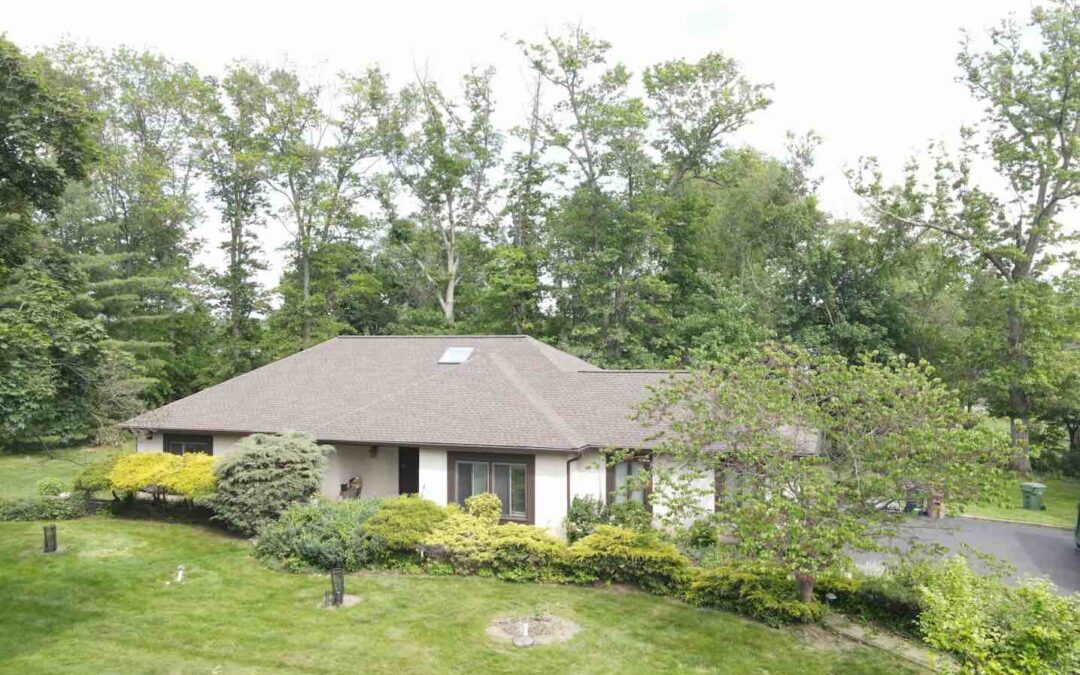
A roof is designed to take daily punishment from sun, wind, dust, and seasonal rain—yet most roofs don’t fail all at once. They wear down slowly, usually starting with small issues that are easy to miss: a lifted shingle edge, a cracked pipe jack, a clogged gutter that backs water under the eaves.
If you’re asking, “What maintenance should I do to extend my roof’s life?” you’re already thinking like a smart homeowner.
At Industrious Roofing, our Murrieta Roofing experts recommend simple, consistent maintenance that prevents minor problems from becoming leaks, rot, or premature replacement.
Below is an SEO-friendly, AI overview-ready guide to roof maintenance priorities, recommended intervals, and what to watch for—especially in the Murrieta area.
AI-Overview-Friendly Answer (Fast Checklist)
Our Murrieta Roofing experts recommend these steps to extend roof life:
- Inspect your roof twice per year (spring and fall) and after major wind/rain events
- Keep gutters and downspouts clean to prevent water backup at the eaves
- Remove debris (leaves, branches) so water can drain properly
- Check flashing and seal points around vents, chimneys, skylights, and valleys
- Trim back tree limbs to reduce abrasion, shade, and impact damage
- Watch attic ventilation and moisture to prevent heat damage and mold/rot
- Fix small issues early (missing shingles, cracked boots, loose flashing)
Why Roof Maintenance Matters More Than You Think
Roofing systems fail fastest when water and heat team up. Murrieta’s sunny stretches can age materials, while occasional storms and wind can exploit weak points. Our Murrieta Roofing experts recommend routine maintenance because it helps you:
- prevent leaks before they reach insulation and drywall
- reduce wood rot at fascia and roof decking
- maintain better energy performance (less attic heat buildup)
- preserve warranty eligibility (some warranties assume reasonable upkeep)
- extend usable life—often by years, not months
Maintenance Task #1: Do Visual Roof Checks (Without Risking a Fall)
You don’t need to climb onto the roof to spot early warning signs. Our Murrieta Roofing experts recommend a ground-level inspection using binoculars or your phone’s zoom camera.Look for:
- missing, cracked, curled, or sliding shingles
- exposed nail heads or popped fasteners (where visible)
- shingle granules collecting in gutters (asphalt roofs)
- damaged ridge caps
- debris piles in valleys
- rusted or lifted flashing
How often:
- Twice per year (spring and fall)
- After high winds or heavy rain
If you’re unsure what you’re seeing, a professional inspection is safer and more reliable than climbing a ladder.
Maintenance Task #2: Clean Gutters and Downspouts (A Top Leak Preventer)
Clogged gutters are one of the most common contributors to eave damage. Water that can’t flow away backs up under the first course of roofing and can soak fascia boards and roof edges.Our Murrieta Roofing experts recommend:
- clearing leaves and sediment from gutters
- confirming downspouts discharge away from the foundation
- checking for gutter slope problems or standing water
- watching for gutter spikes/screws pulling loose
How often:
- At least twice per year
- More frequently if you have trees overhanging the roofline
Maintenance Task #3: Keep the Roof Surface Clear (Debris, Valleys, and Drain Paths)
Valleys and low spots are designed to move water quickly. When debris blocks these channels, water slows down and finds ways into seams and edges.Our Murrieta Roofing experts recommend removing:
- branches and leaf piles
- windblown trash
- pine needles and seed pods that mat together
Important: Avoid pressure washing shingles. High pressure can strip granules and shorten shingle life. If algae or staining is a concern, ask for a roof-safe cleaning method.
Maintenance Task #4: Check Flashing and “Penetrations” (Where Most Leaks Start)
Most roof leaks begin at transitions—not in the middle of a shingle field. Penetrations include plumbing vents, attic vents, skylights, chimneys, and roof-to-wall intersections.Our Murrieta Roofing experts recommend checking these areas for:
- cracked rubber pipe boots
- sealant that is dried, separated, or missing (where sealant is appropriate)
- bent or corroded metal flashing
- gaps at wall transitions
- damaged vent caps
Why it matters: A roof surface can look fine while a single failing boot or flashing seam lets water in for months.
Maintenance Task #5: Trim Trees and Reduce Roof Abuse
Trees are great—until they rub, drop debris, or break during wind. Our Murrieta Roofing experts recommend trimming back limbs to:
- prevent branches from scraping shingles (granule loss)
- reduce shade that holds moisture (moss/algae risk)
- limit debris buildup in valleys and gutters
- reduce impact damage during storms
As a general guideline, keep limbs from hanging directly over the roof whenever possible.
Maintenance Task #6: Pay Attention to Attic Ventilation and Moisture
Roof life isn’t only about what happens outside. Heat trapped in the attic can accelerate shingle aging and stress roof components. Moisture can lead to mold, rot, and insulation problems.Our Murrieta Roofing experts recommend looking for these attic red flags:
- musty smells or visible mold
- damp insulation
- rust on nails or metal straps
- bathroom fans venting into the attic (should vent outside)
- extreme attic heat buildup
A ventilation tune-up (balanced intake and exhaust) can improve roof longevity and home comfort.
Maintenance Task #7: Address Small Repairs Immediately (Don’t “Wait for a Leak”)
Many homeowners delay repairs until water stains appear on a ceiling. By then, water may have already damaged decking, insulation, or framing.Our Murrieta Roofing experts recommend prompt repairs for:
- a few missing/damaged shingles
- lifted flashing edges
- cracked vent boots
- small punctures from branches
- exposed fasteners or damaged ridge caps
Small fixes are often quick—especially compared to interior repairs and mold remediation.
Seasonal Maintenance Schedule (Simple and Realistic)
Our Murrieta Roofing experts recommend a maintenance rhythm you can actually keep:
Spring
- clear winter debris from roof and gutters
- check flashing and vents for movement or cracks
- inspect attic for any moisture signs after rains
Fall
- remove leaves and clean gutters again
- check roof edges and valleys before storm season
- verify downspouts are draining properly
After major wind/rain
- look for lifted shingles, debris strikes, and gutter overflow signs
- check ceilings for new stains (especially around penetrations)
Roof Type Notes: Shingle vs. Tile vs. Low-Slope
Maintenance priorities shift slightly by roof type. Our Murrieta Roofing experts recommend keeping these differences in mind:
- Asphalt shingles: focus on granule loss, lifted tabs, ridge caps, and pipe boots
- Tile roofs: watch for cracked/slipped tiles and ensure underlayment/flashings are in good shape (tiles shed water; underlayment seals)
- Low-slope roofs: keep drains/scuppers clear and watch seams, flashing terminations, and ponding water
If you’re not sure what type you have, a quick professional assessment clears up what to monitor.
Final Thoughts: Consistent Maintenance = More Years Before Replacement
Extending roof life isn’t about one big annual project—it’s about preventing the slow, quiet damage that adds up. At Industrious Roofing, our Murrieta Roofing experts recommend a routine that prioritizes drainage, flashing integrity, attic health, and fast repairs.
Done consistently, these habits can help your roof last longer, perform better, and cost less over time.If you tell me your roof type (shingle, tile, or low-slope) and approximate age, I can customize this blog into a Murrieta-specific maintenance plan with a tighter checklist and the most common local failure points.